0 M* u) q X( K7 y5 R
; }2 E4 A' S+ |# B; m% V% @
Joined: 26 Dec 2007
Posts: 3# V! Z5 V; \$ k: f0 _0 o/ g
Location: Suzhou, China1 {& ^3 }2 a* E. S( y
 Posted: Wed Dec 26, 2007 7:37 am- _3 f4 S$ {' A' c6 y Posted: Wed Dec 26, 2007 7:37 am- _3 f4 S$ {' A' c6 yPost subject: 44.1Ksps sample rate enough for audio? |   |
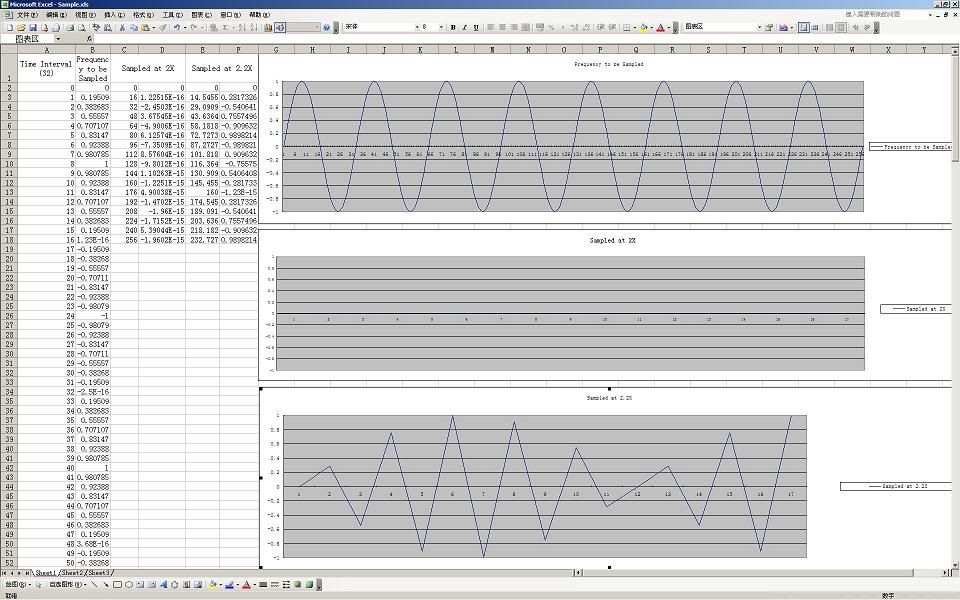
We are always be told 2x sample rate is enough. It seems 44.1Ksps for 20KHz audio is enough.  3 L8 l( Z+ e0 w! F3 U( U- g 3 L8 l( Z+ e0 w! F3 U( U- gAs this diagram, 2x sample rate regenrate the source signal perfectly. But the question is, it is in the best case. It samples at the peak luckly, but if it sample 90 degree before or after. Then it will simple samples all zero. 4 ]& l" ?) v( K& ^, Y# }: d: F It seems 8x sample is the minimium reqirement for sample for hi-fi. Thus 192Ksps is the minimum spec to record. 8 H, \% u# g0 i8 R Am I wrong at this point? _________________  " R! F: p8 j# e* f3 d: u0 t " R! F: p8 j# e* f3 d: u0 t | |
  | / t! t1 U- k/ I1 P6 w 2 ~" W% V5 e/ S: G& `; u# E ; c* [4 W* R1 G |

' R* S( t/ n1 A U, f _
Joined: 08 Aug 2006. R6 U$ [5 v, k; e5 t! W3 O& y& s! Z. L
Posts: 126
| Posted: Wed Dec 26, 2007 6:48 pm Post subject: | |
| There is a "white paper" under the SUPPORT tab of the Lavry Engineering website that is a very complete discussion of this subject. . o' l: s5 D; ^6 V1 q4 k It is entitled "Sampling Theory." % Q8 C! W- z- C4 \ 8 J5 V6 A/ C) U7 U$ M- H http://www.lavryengineering.com/documents/Sampling_Theory.pdf s1 w% y2 x" {/ r# v There are many sources of inaccuracy in real-world conversion systems that can cause an apparent loss of high frequency information, and they are not the sample rate. There are also additional trade-offs which vary with the sample rate that occur in Digital Signal Processing; in both the processing that happens in contemporary converter technology and what commonly occurs in mixing or mastering after a signal is digitized . So in the end "higher" does not alway result in "better." A recording made accurately at 44.1 kHz will always sound better (or more "analog") than an inaccurate recording made at 96 or 192 kHz. In many cases this would be mostly due to jitter in the AD and DA conversion, as versus the sample rate. But even in these cases, the degradation is almost certain to be caused by more than just this one source of inaccuracy. 6 Q) j5 H4 v, n4 `9 H$ n" ~ ! N1 e1 ?& e9 y9 _9 l/ s Brad Johnson Lavry Tech Support | |
| |
: E0 V/ F3 C6 W
Joined: 29 Aug 20058 f3 b% l- d( }4 R8 |# N; [
Posts: 57+ u; P6 l/ I1 ~8 K$ o2 o& t1 H
Location: Finland( i3 @1 A9 k& l; |: G: I( G2 k
| Posted: Fri Jan 04, 2008 7:35 pm% h* A6 g9 J% e9 U' g, f* X Post subject: Re: 44.1Ksps sample rate enough for audio? | |
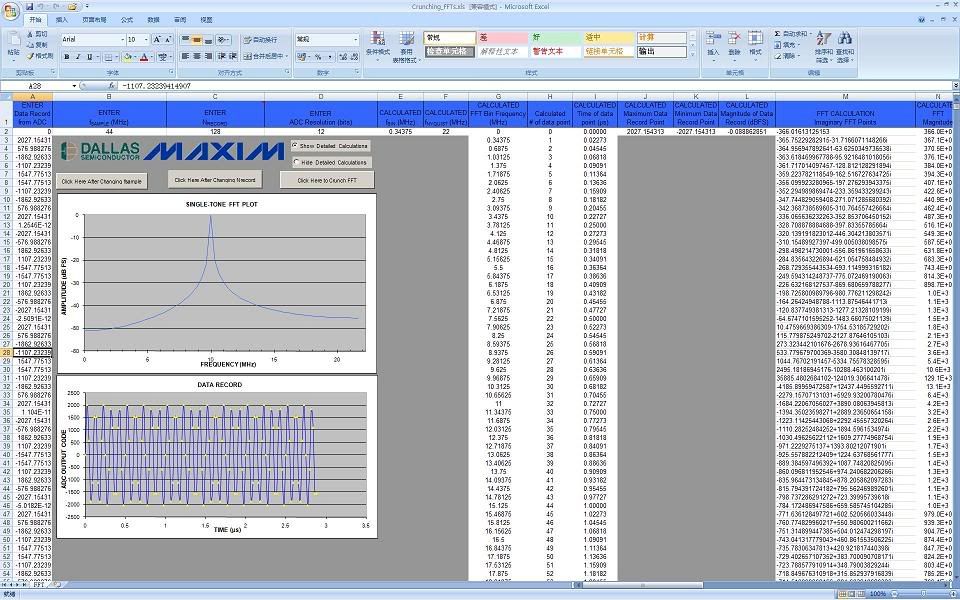
| zifzhu, 9 |, O( s% c: u7 K6 |- ^$ @ Exactly half the fs is kind of a "special case". Check the "critical frequency" part here: $ |2 L" W4 m6 o g http://en.wikipedia.org/wiki/Nyquist%E2%80%93Shannon_sampling_theorem + M7 G. N+ a# y0 k, Z, | C.J., Finland _________________% z4 {4 H- i- @6 o/ h# P T "Science is a way for us to not fool ourselves." - Richard Feynman& e! J& j9 c9 J2 b | |
| | 0 R3 i1 n' A' S& s) ~9 y 6 z& Y2 h6 I8 B' p9 q) p' y |


 9 b# q7 C G0 Y' G- X. [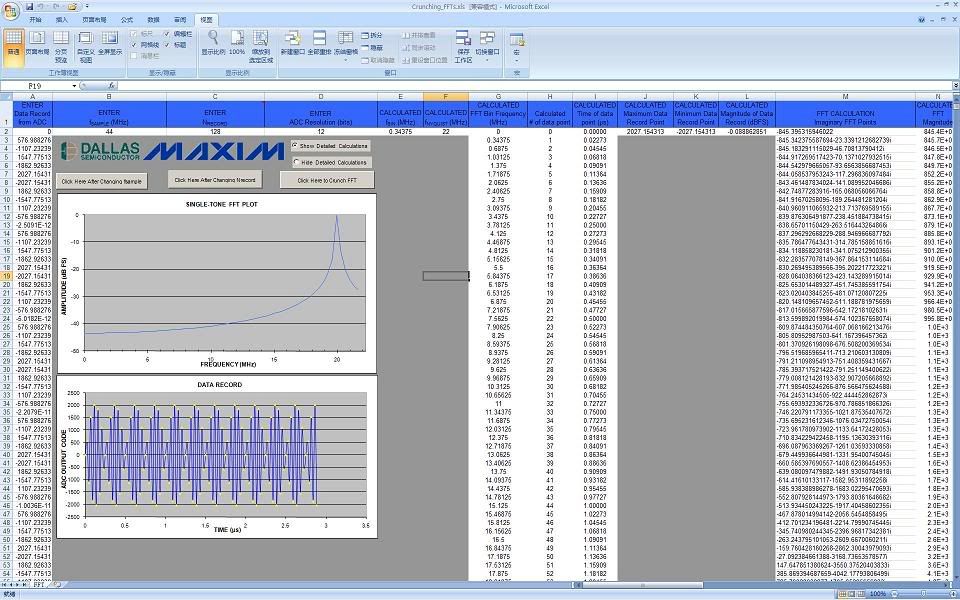
 / E. k6 s, @3 x) ^